 ZLINE
ZLINE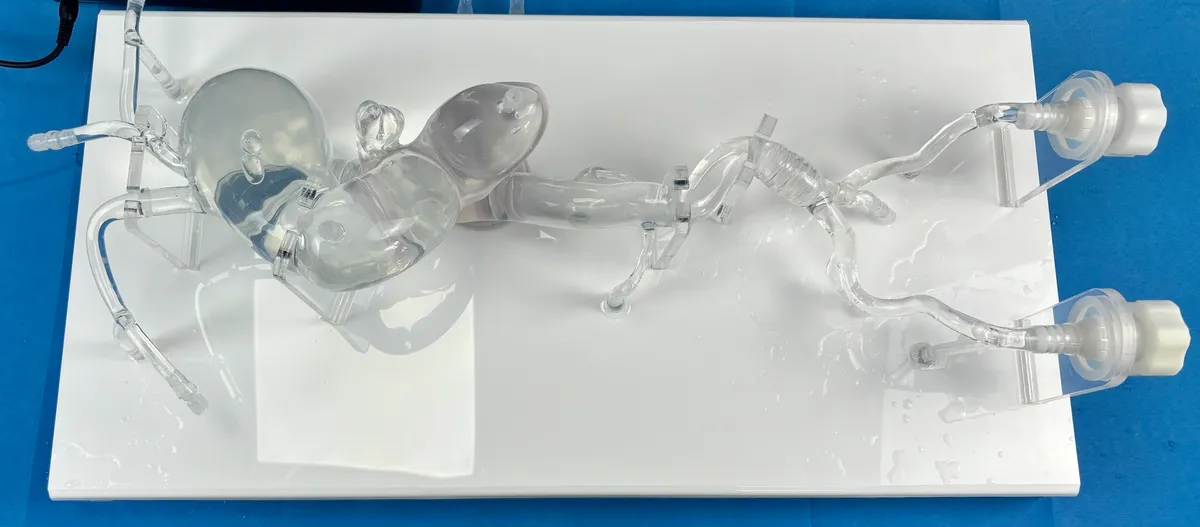

Medical Simulation
Endovascular Training Simulator: Aortic Intervention Model TAO001
A transparent silicone replica of the human aortic arch with a clinically realistic aneurysm, built for endovascular procedure training and device evaluation.
Overview
The Aortic Intervention Simulation Model TAO001 accurately replicates the human aortic arch, including its major arterial branches and a clinically realistic aneurysm structure. This vascular simulator is designed for endovascular procedure training, enabling physicians and medical device specialists to practice catheter navigation, guidewire manipulation, and stent deployment in anatomy that behaves like the real thing.
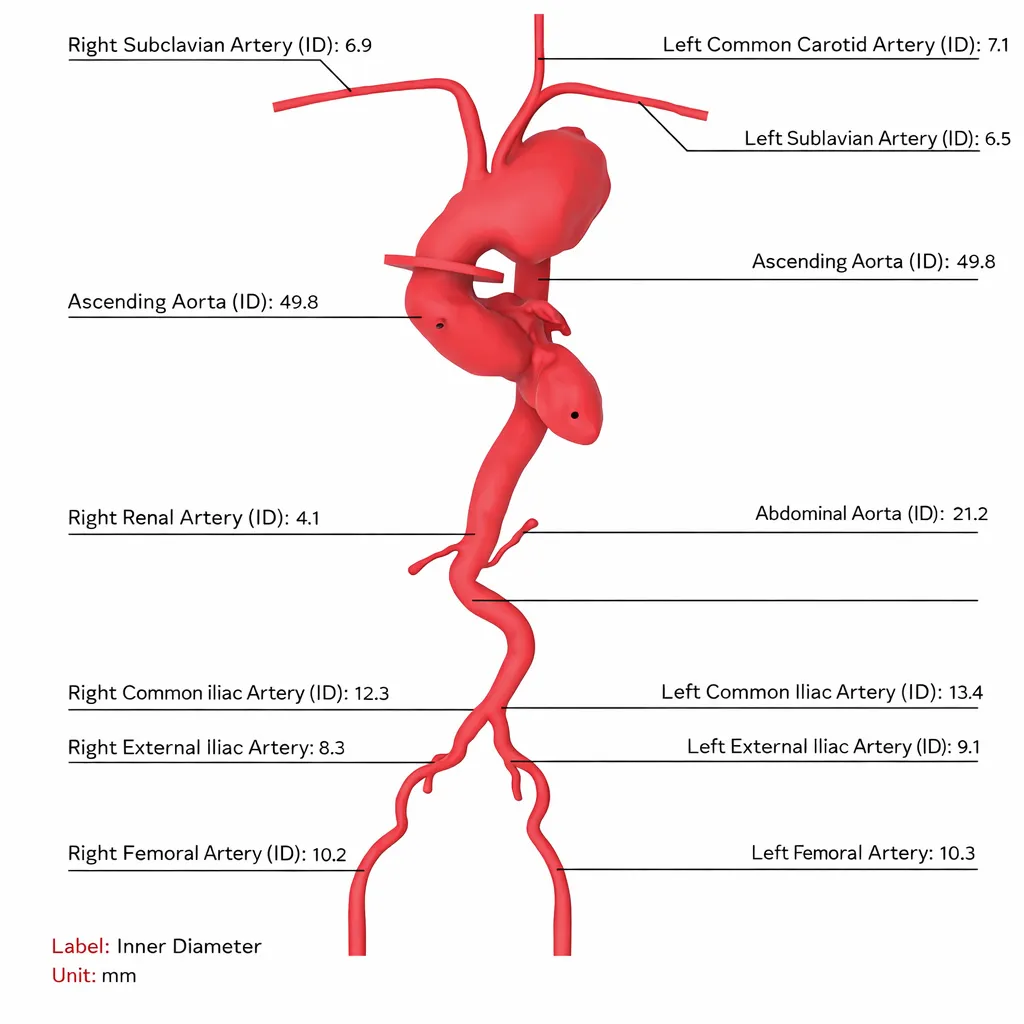
Based on clinical anatomical data, all vessel and aneurysm dimensions reflect true inner lumen diameters in millimeters, ensuring anatomical accuracy and realistic procedural conditions from femoral access to arch deployment.
Manufactured from transparent elastic silicone, the model allows clear visualization of guidewires, catheters, and stent graft deployment. It provides a reliable platform for endovascular training, medical device evaluation, and procedural demonstration.
Key Features
- Integrated aortic arch aneurysm geometry for endovascular intervention training on a clinically relevant pathology.
- Transparent elastic silicone vessels for real-time visualization of device navigation through the lumen.
- Realistic vessel elasticity and inner lumen dimensions suitable for guidewires, catheters, and stent graft systems.
- Stable physical structure designed for repeated interventional training sessions and procedural demonstrations.
Anatomy Covered
The simulator reproduces the full aortic pathway used in endovascular access and deployment: ascending aorta, aortic arch, descending aorta, abdominal aorta, and iliac arteries. This makes it suitable both for arch-focused procedures and for practicing complete device delivery routes from iliac access upward.
Integration and Customization
For hemodynamic realism, the model can be combined with Zlinemed’s cardiac pulsatile pump to simulate physiological pulsatile circulation during training and device testing. See the full silicone vascular model range for cerebral anatomies, plate-type mock vessels, and custom builds.
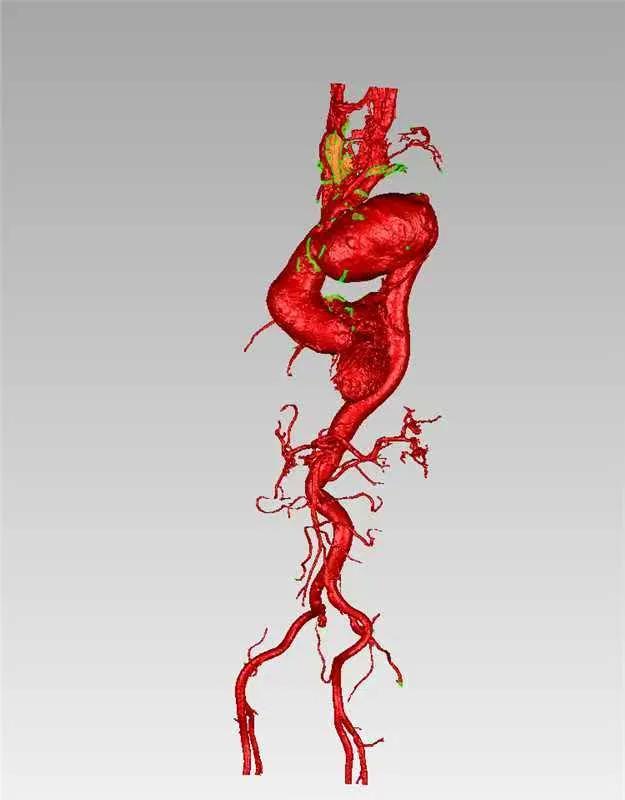
The aneurysm geometry, access vessels, and mounting arrangement can be adapted from your specification parameters or CT imaging data. When requesting a quote, describe the procedures you train and the devices you plan to use — that determines the right configuration.
Frequently Asked Questions
What procedures can be practiced on this aortic simulator?
The model is designed for endovascular procedure training: catheter navigation, guidewire manipulation, and stent graft deployment across the aortic arch and its major branches, including treatment of the integrated arch aneurysm geometry.
Are the vessel dimensions anatomically accurate?
Yes. All vessel and aneurysm dimensions are based on clinical anatomical data and reflect true inner lumen diameters in millimeters, ensuring realistic procedural conditions.
Can the model be customized for a specific anatomy or lesion?
Yes. Zlinemed customizes silicone vascular models from specification parameters, CT imaging data, or samples — including vessel diameters, tortuosity, and lesion geometry.
Applications
Train on the TAO001 aortic model
Tell us which endovascular procedures you train and which devices you use with them. We can supply the standard TAO001 or adapt the aneurysm geometry and access vessels from your CT data.
Request a QuoteRelated Products & Services

Cerebral Artery Intervention Simulation Model ICA001
Carotid-to-intracranial arterial anatomy for practicing neuro-interventional navigation under direct vision.
View product →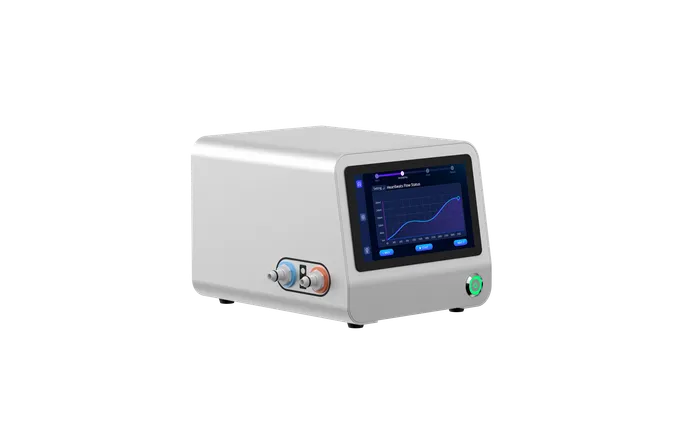
Cardiac Pulsatile Pump CS-S001
Benchtop pulsatile flow source, 20-220 beats/min and up to 2000 mL/min, with fluid temperature control.
View product →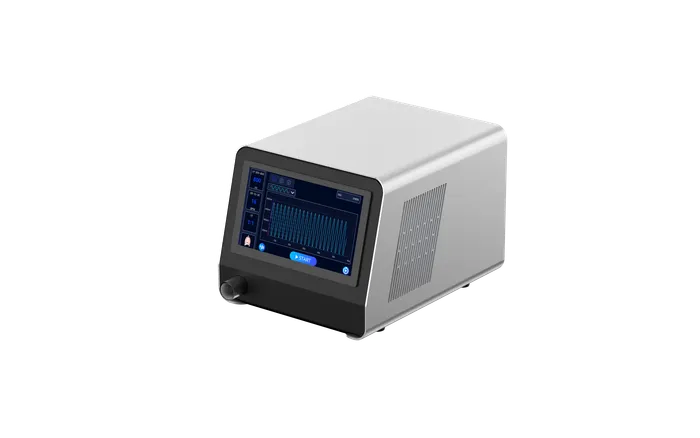
Medical Simulation Systems for Surgical Training
Training-lab platforms that pair anatomical models with pulsatile or respiratory drive units.
Explore service →