 ZLINE
ZLINE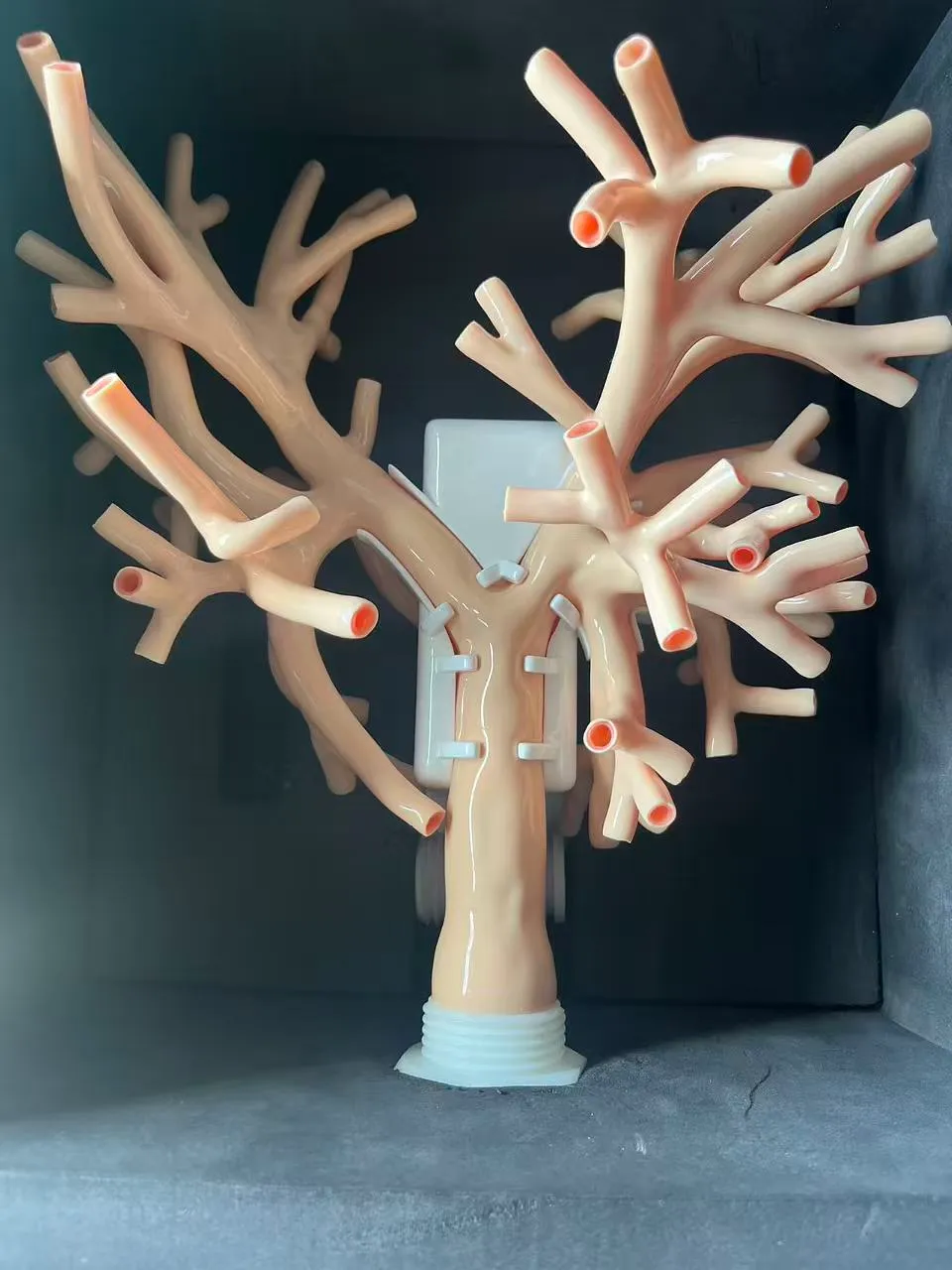
Endoscopic Training Models
Endoscopic Training Models for Urology and Airway Simulation
Physical simulation models for endoscopic skills training — urological anatomy, bronchial trees, and thoracic structures reconstructed from clinical CT imaging data.
Endoscopic Skills, Practiced on Realistic Anatomy
Endoscopic and image-guided procedures demand hours of hands-on practice before a trainee ever touches a patient. Zlinemed’s endoscopic training models provide that practice on anatomy reconstructed from clinical CT imaging data — in durable silicone that supports fluid infusion, repeated instrument passes, and realistic tissue feedback.
Urology Endoscopic Training Models
Male Urinary System Model US-M001
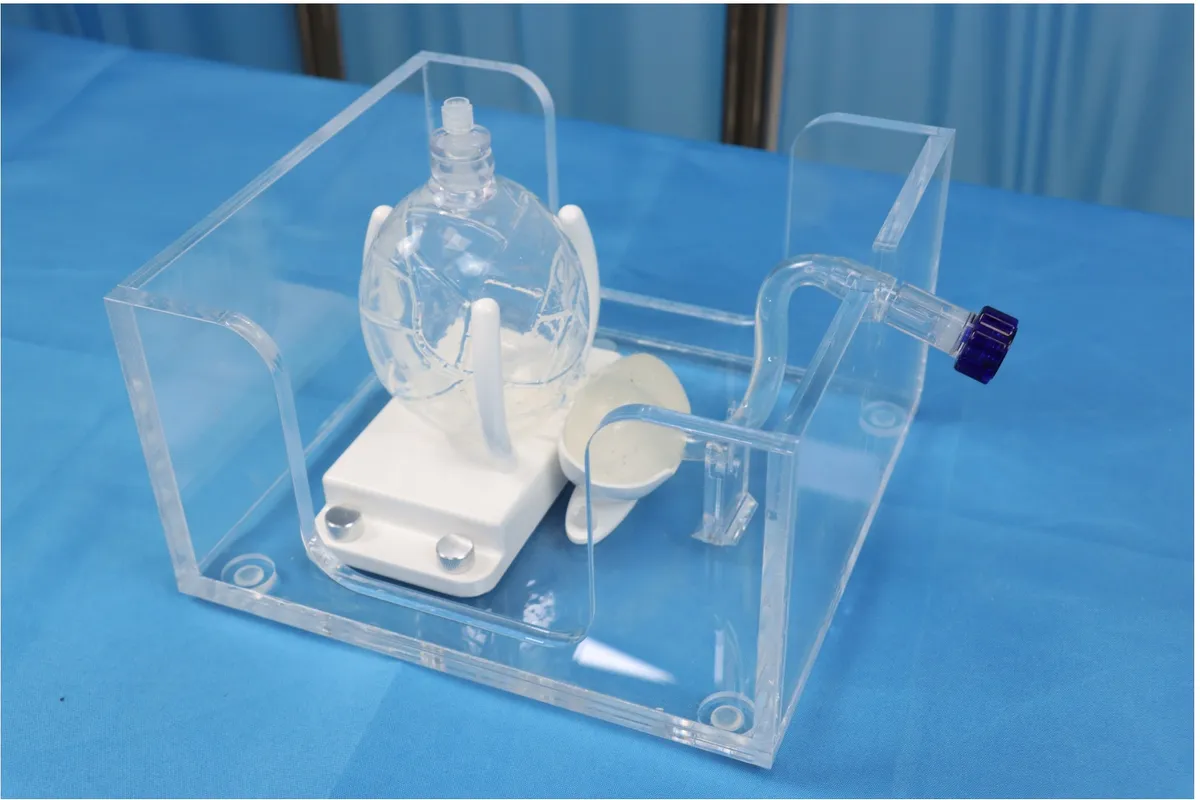
Designed on realistic anatomical structures for urethral and bladder examination and basic procedural training. It supports water infusion to simulate a urine environment and allows placement of simulated stones for lithotripsy and stone retrieval practice. Compatible with mainstream endoscopic instruments. See the full US-M001 specification.
Prostate Simulation Model US-P001
A prostate simulation model for urological endoscopic training with customizable degrees of prostatic stricture. Compatible with balloon catheters, rigid cystoscope sheaths, and rigid cystoscopes, it supports complete procedural training from the external urethral meatus to the bladder. See the full US-P001 specification.
Airway and Thoracic Simulation Models
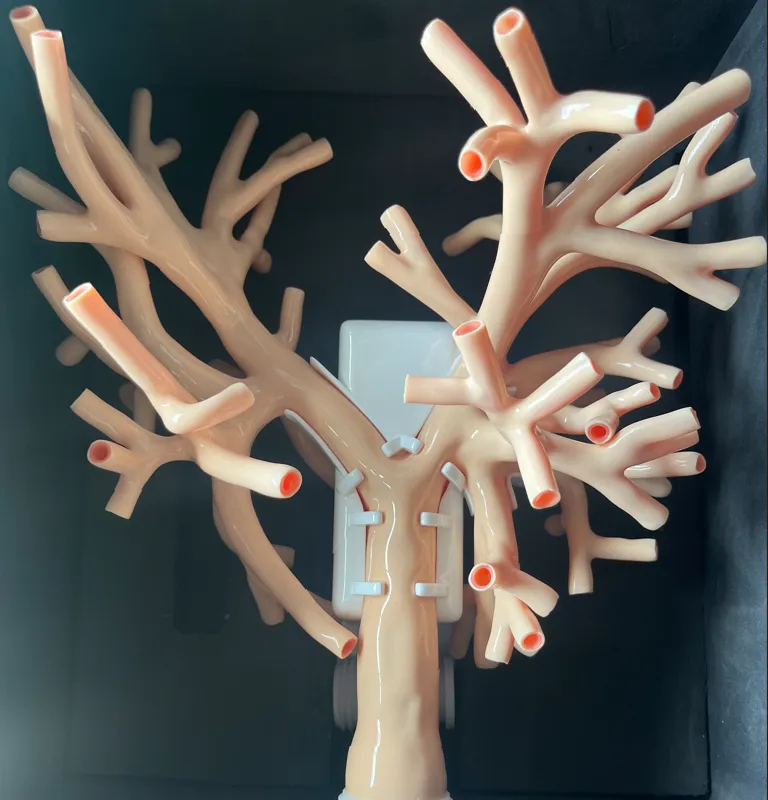
Lower Airway Simulation Model RT-L001
A physical bronchial anatomy model designed for flexible bronchoscopy examination and training. The model represents a fifth-generation bronchial tree, reconstructed from clinical CT imaging data to replicate realistic lower airway anatomy. Manufactured from silicone selected for medical simulation use, it provides realistic geometry, flexibility, and internal lumen dimensions suitable for bronchoscopic navigation and procedural demonstration (see RT-L001 dimensions in the specifications table below).
Lung Nodule Surgery Model RT-BR001
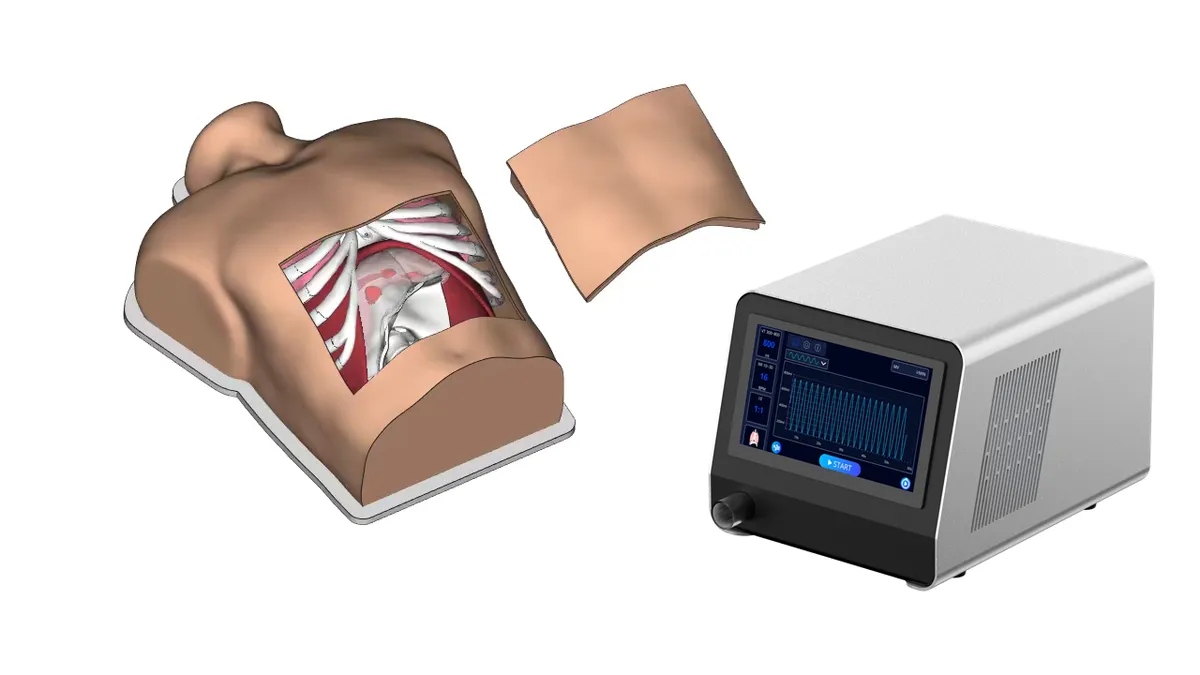
This model comprehensively replicates the key anatomical structures of the thoracic cavity and upper abdomen, including dual lungs (flexible silicone airbag structure), visible and palpable rib positioning structures, the heart, diaphragm, and liver. It is suitable for image-guided puncture training under dynamic conditions and related technical validation.
When used with a simulated respiration pump, the respiratory rate and tidal volume can be adjusted to realistically simulate visceral motion under natural breathing conditions. The puncturable liver region (customizable with tumor modules) is made of polymer material, allowing repeated punctures while providing excellent imaging performance and realistic needle feedback.
Why Train on Physical Models?
- Repeatable anatomy — every trainee practices the same case; every assessment is comparable.
- Real instruments — the models are compatible with the endoscopes, catheters, and needles used clinically.
- No imaging dependency — transparent materials let instructors see exactly what the trainee is doing.
- Customization — pathology modules, stricture levels, and custom anatomical models can be developed from customer-provided CT data via our medical simulation technology platform.
Specifications
| RT-L001 Anatomy | Trachea and bronchial tree (up to 5th generation), reconstructed from clinical CT imaging data |
|---|---|
| RT-L001 Material | Silicone selected for medical applications |
| RT-L001 Overall Height | 287 mm |
| RT-L001 Maximum Horizontal Width | 260 mm |
| RT-L001 Assembled Height (with mounting panel) | 432.5 mm |
| RT-L001 Mounting Panel Width | 330 mm |
| RT-L001 Mounting Depth | 205 mm |
Frequently Asked Questions
Are these models based on real patient anatomy?
Yes. The models are reconstructed from clinical CT imaging data — for example, the RT-L001 represents a fifth-generation bronchial tree — so anatomy and lumen geometry reflect realistic clinical conditions.
Can pathology or difficulty levels be customized?
Yes. Examples include customizable prostatic stricture levels on the US-P001 and customizable tumor modules in the puncturable liver region of the RT-BR001. Contact us with your training requirements.
Can the airway models simulate breathing motion?
Yes. When used with our simulated respiration pump, the respiratory rate and tidal volume can be adjusted to realistically simulate visceral motion under natural breathing conditions.
Applications
Configure your endoscopic training models
Describe the procedures your trainees practice and the instruments they use. We will recommend the right model configuration, or build a custom pathology module from your requirements.
Send Your RequirementsRelated Products & Services
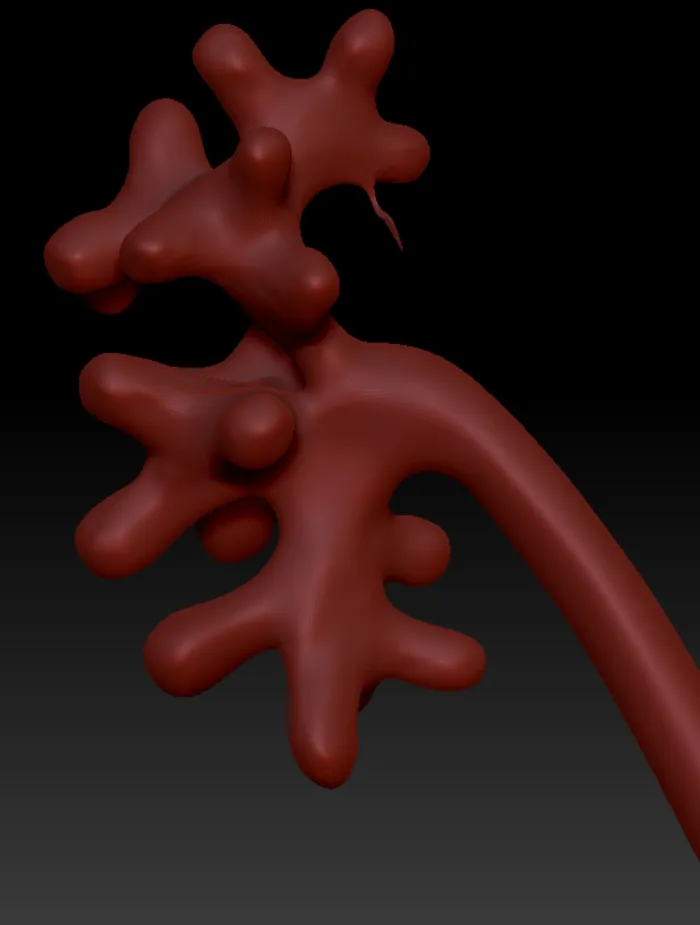
Male Urinary System Model US-M001
Cystoscopy and lithotripsy trainer with water infusion and simulated stones for retrieval practice.
View product →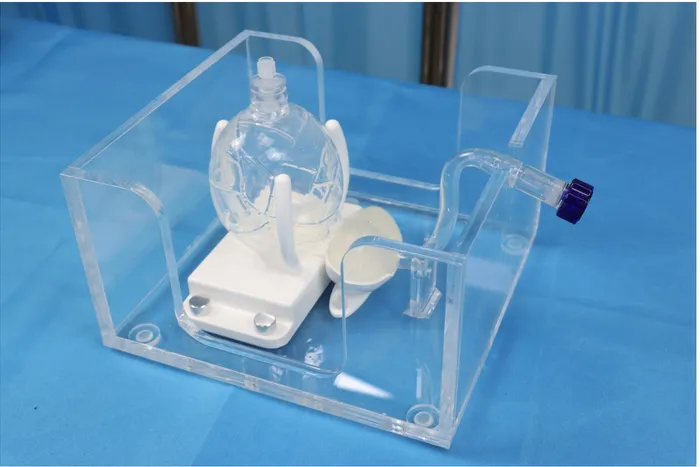
Prostate Training Simulator US-P001
Urethra-to-bladder anatomy with replaceable prostate modules for different BPH obstruction levels.
View product →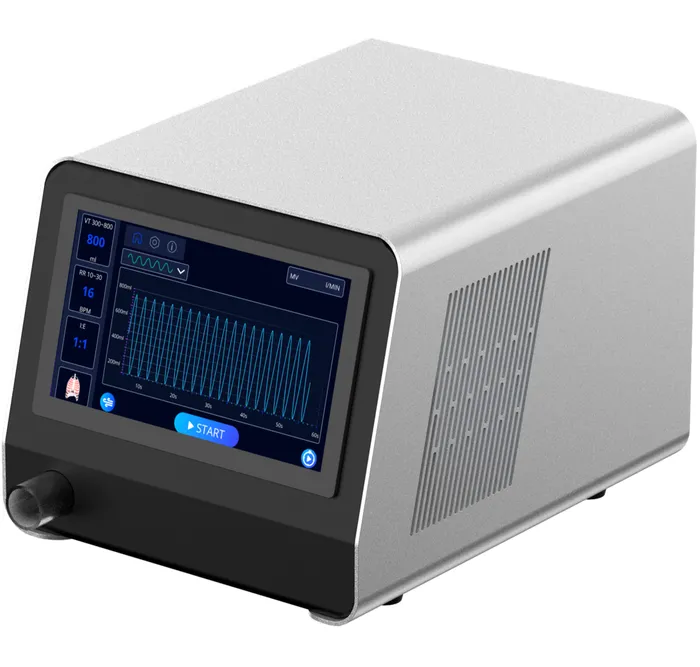
Simulated Respiration Pump RT-BR001
Respiratory drive unit that adds breathing motion to organ models, 10-30 breaths/min with waveform import.
View product →